What Are CDL Restrictions?

If you want to drive a commercial vehicle, the first step is earning your commercial driver’s license (CDL). In addition to the standard license, there are endorsements you can add that increase the types of vehicles you can operate. There are also CDL restrictions that limit what you can drive or the conditions you can drive in. Understanding what these restrictions are is important to ensure you have the most opportunities available to you after graduating trucking school.

Some CDL restrictions to know:

K Restriction

In order to operate a commercial motor vehicle (CMV) across state lines, you will need to be 21 years of age or older. This is part of federal CDL requirements, so it doesn’t matter what state you earn your license in. However, it is still possible to drive a CMV within your state of residence, as long as you are 18 or older. If you earn your license while under 21, you will have a K restriction, which indicates that your CDL is only valid for intrastate use.

E Restriction

Most passenger vehicles use automatic transmissions, but this is not the case for semi-trucks. Although there are some newer automatic vehicles, most use manual transmissions. Knowing how to switch gears correctly is an important part of safely driving a semi-truck, so you will need to demonstrate this during your CDL test if you plan to drive a manual vehicle. If you take the skills test with an automatic truck, you will have an E restriction on your license. This can severely limit your ability to find a trucking job.

O Restriction

If you take your CDL skills test in a truck with a non-fifth wheel connection or pintle hook, you will have the O restriction placed on your license. This means you cannot operate a tractor-trailer.

Air Brake CDL Restrictions

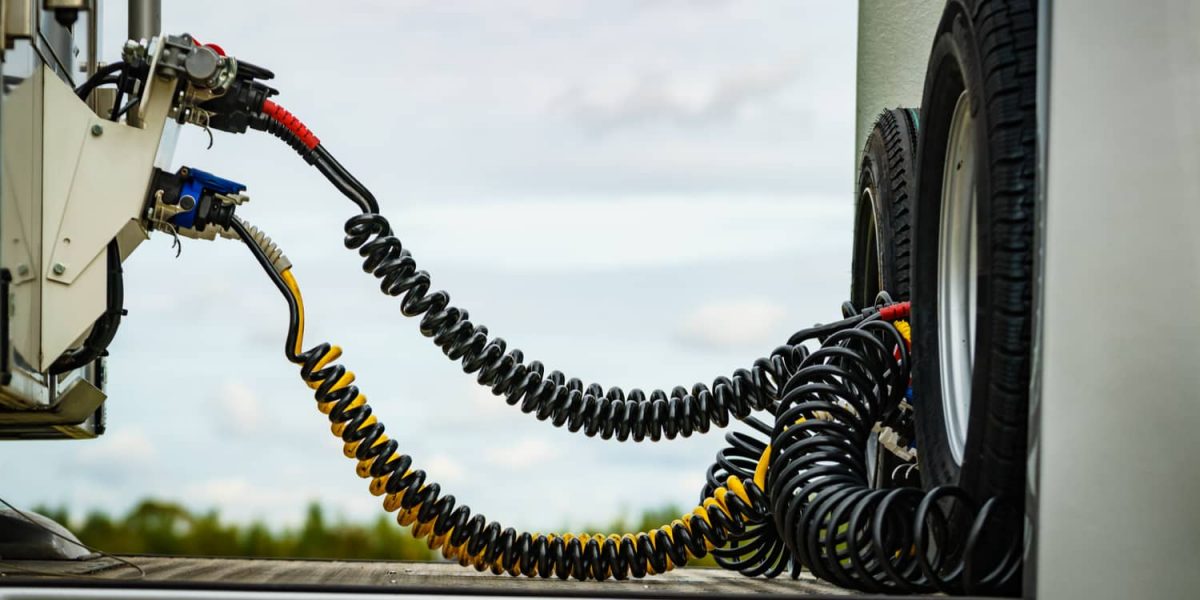
Traditional hydraulic braking systems use fluid to stop a vehicle, whereas air brakes use compressed air. Air brakes are more effective for stopping larger vehicles, so they are common for semi-trucks and other types of CMVs.

There are not one, but two air brake restrictions. Having either one on your CDL can limit the jobs you can pursue with your license.

The air brake restrictions are:

L Restriction

The L restriction will prohibit you from operating any vehicle with air brakes, whether this is a full or partial system. You will have this restriction if you fail either the written air brakes test or the air brake inspection portion of the CDL skills test. Additionally, you will have an L restriction if you take your skills test with a vehicle that does not use air brakes.

Z Restriction

This restriction prevents you from operating a vehicle with a full air brake system. You will still be able to operate a vehicle with a partial system. If you take the skills test with a vehicle that only has a partial system, the Z restriction will be placed on your license.

Earn Your CDL in Phoenix, AZ

At Phoenix Truck Driving Institute, our skilled instructors will help you prepare for the CDL test. Our programs cover material that helps you avoid CDL restrictions, increasing the number of jobs you can apply for after graduation. We also have a job placement assistance team to get you on the road and earning as soon as possible.


To learn more about our CDL training program, contact us today.

Tips for Rookie Truck Drivers

After earning your commercial driver’s license (CDL), you’ll be ready to hit the road for your first truck driving job. You’ll continue to learn and grow throughout your career and the first year after graduation is an opportunity to build a strong foundation. Rookie truck drivers who start good habits when they are first on the road set themselves up for success.

Some tips for new drivers:

1. Make Safety a Priority

Safety should always be your top priority on the road and it’s important to keep this in mind from the start of your career. Driving a semi-truck is a big responsibility and you need to make sure you are not putting yourself or others on the road at risk.

More so than focusing on the number of miles, make it a goal to stay accident-free for your first year. Trying to fit in more miles may seem like a good idea, but you should never sacrifice safety. A clean driving record and a solid reputation will increase your earning potential more in the long term.

Safety tips:

  • Slow down if you need to. A tractor-trailer takes a long time to stop and the faster you are going, the more dangerous this can be. Keep in mind that the posted speed limit may be too fast depending on the conditions.
  • Get enough rest. Fatigued driving is comparable to drunk driving in terms of risk. Always follow hours of service (HOS) rules and set a consistent sleep routine to make it easier to get the rest you need.
  • Get out and look (GOAL) when backing. You may not be able to see everything from inside your cab.
  • Drive defensively. Stay alert and adjust to changing conditions.

2. Practice Good Communication

Communication is a key skill for truckers to possess. This can be surprising at first since many people consider trucking a solitary job. While it is true that you’ll spend a lot of time alone behind the wheel, you will also need to communicate with your dispatcher as well as customers during pick-ups and drop-offs. Be polite, stay positive, and keep everyone up to date if there are any issues on the road.

3. Build Healthy Habits

There are many benefits to the trucking lifestyle, such as seeing more of the country and the potential to earn high pay. However, there are also unique challenges, and your first year as a rookie truck driver is a great time to create habits that help you address those challenges.

It’s easier to eat healthy on the road if you are used to this from the beginning. Try meal planning and choose healthier options when you eat at restaurants or truck stops. You may even be able to cook in your truck with small appliances like a slow cooker or hot plate.

An exercise routine is also important for your health. There are many exercises you can do in a truck and you can also run or walk around truck stops. Find what works best for you and stick with it.

4. Have A Positive Mindset

Trucking is a career that rewards those who work hard and keep improving. If you come into it with a positive mindset and a drive to succeed, it can make your first year and every year after that a lot easier. When challenges arise, think about what you can learn from them instead of focusing on the negative aspects. Keep in mind that the more time you spend the road, the more you’ll learn and the easier it will be.

Start Your Trucking Career With High-Quality Training

If you are interested in becoming a truck driver, Phoenix Truck Driving Institute can help. You can earn your commercial driver’s license (CDL) in as little as four weeks and we offer job placement assistance.

To learn more about our CDL training program, contact us today.

What to Expect From the DOT Physical

The Department of Transportation (DOT) requires all drivers to undergo a physical exam before they can operate a commercial motor vehicle (CMV). You will also need to repeat this every two years, or more frequently if you have a condition that requires monitoring. The goal of the DOT physical requirement is to ensure that all commercial drivers are physically able to operate their vehicles safely.

If you are getting ready for your first DOT physical, you may be wondering what to expect. For the most part, the process is fairly similar to a thorough exam from your regular doctor.

What to Bring To Your DOT Physical

To make sure your exam goes smoothly and you have everything you need, should bring:

  • Your driver’s license
  • For exams after your first, your current medical certificate
  • A list of all medications you take, their dosages, and contact information for the prescribing doctor(s)
  • Glasses/contacts, if you use them
  • Hearing aids, if you use them
  • Contact information for your primary care physician

If you have a medical condition, you may need additional documentation. It is best to check with the doctor ahead of time about this to be sure. In general, you will need a medical clearance letter if you have a heart condition or have recently had surgery. Drivers with diabetes will also need an A1C report from the past six months.

What a DOT Physical Includes

Vision Test

Professional drivers must have at least 20/40 vision in both eyes. This can be with or without corrective lenses, so this is why it’s important to bring glasses/contacts if you wear them. The vision portion of the DOT physical also tests your peripheral vision.

Hearing Test

The hearing portion of the exam includes a “whisper test.” This is to ensure you can hear a forced whisper from a distance of 5 feet. If you use hearing aids, you can use them for this. In the event you do not pass this whisper test, the examiner will refer you for follow-up testing.

Blood Pressure/Pulse

The doctor will take your blood pressure and pulse rate to ensure they are within a normal range.

Physical Exam

The physician will complete a thorough physical exam. They will check for a variety of different health issues.

The doctor will cover:

  • General appearance, including weight and any signs of alcoholism/drug use
  • Eyes (note that this is different from the vision test and will instead look for physical symptoms involving your eyes, such as cataracts)
  • Ears (note that this is different from the hearing test and will instead look for physical symptoms involving your ears, such as a perforated ear drum)
  • Mouth and throat
  • Heart
  • Chest/lungs
  • Abdomen
  • Veins
  • Checking for hernias
  • Extremities
  • Musculoskeletal system
  • Neurological concerns

Urinalysis

A urinalysis will test for any underlying conditions, such as diabetes. In some cases, DOT-required drug testing occurs at the same time. In other situations, this may be a separate test.

DOT Physical Forms

Once the exam is complete, there are a variety of forms the doctor will need to complete. You will receive a medical examiner’s certificate if you pass and will need to keep this on file. The trucking company you are working for will also receive documentation showing you passed the physical.

Start Your Trucking Career

Our commercial driver’s license (CDL) training in Phoenix, AZ, can have you on the road and earning in as little as four weeks. Our highly skilled instructors will help prepare you for a career as a commercial driver.

To learn more about our truck driver training, contact us today.

Trip Planning for Truckers

With modern technology, finding the route from one place to another has never been easier. However, for professional truck drivers, this process is a bit more complicated than the average person trying to get to their destination. There are some roads you can’t take in a semi-truck, you need to plan for parking, and, of course, you want to make sure you arrive on time for your delivery.

Trip planning is an essential skill for a trucker to develop. It allows you to map out your route ahead of time and can reduce your stress on the road. It also helps you get miles more efficiently, which can increase your pay and help you build a reputation as a reliable driver.

Here are some tips for trip planning:

Use a Truckers Road Atlas or App

A GPS system can be helpful, but it may not give you all of the information you need. A road atlas for truckers includes locations of rest stops, restricted roads, and more.

There are also applications that serve the same purpose. You may want to invest in one of these as well. However, many old-school truckers swear by a printed road atlas. The apps are great for quick reference, but a physical atlas won’t be affected if you don’t have internet access or run out of power.

On a related note, write down your trip plan, basic directions, and locations of essential services. Keep this in an easily accessible place in your truck. This way, you’ll be able to get the information you need quickly if you do end up in an area without service.

Plan Around Hours of Service Requirements

Hours of service (HOS) regulations determine how much time you can spend driving before you need to rest. The Federal Motor Carrier Safety Administration (FMCSA) enforces these rules and it’s important that you are familiar with and follow them.

Trip planning is a great way to make sure you stay compliant with HOS. Budget enough time so that you’ll still be under the maximum number of driving hours even if there are unexpected delays.

Have One or More Backups

Sometimes the truck stop you initially planned to stop at for the night will be full. If you don’t have a backup plan, this can be a stressful experience. It still isn’t fun either way, but having another option makes it easier to change course and find a new place to park without going over your HOS limit.

Keep Your Dispatcher Updated

A dispatcher acts as the go-between for trucking companies and their drivers. These individuals work to ensure freight arrives on time and is undamaged. If there are any significant changes to your route or you are going to be early/late to an appointment, you should contact your dispatcher.

For one, this helps ensure the customer is up-to-date on when you are going to arrive. It also ensures your dispatcher knows when you will be available for another load, which can help you avoid downtime.

Get Your CDL

Phoenix Truck Driving Institute offers high-quality commercial driver’s license (CDL) training in Phoenix, AZ. We can help you get started on the road to a rewarding new career.

To learn more about our truck driving school, contact us today.

Benefits of Driving a Refrigerated Truck

Earning your commercial driver’s license (CDL) allows you to pursue a wide variety of career opportunities. For new truckers, driving a refrigerated truck, also called a reefer, is one of the most common options. The majority of reefer trucks transport food, although other temperature-sensitive items may also be hauled in these vehicles. The pay is competitive and qualified drivers are in high demand.
Some of the benefits of driving a refrigerated truck include:

Higher Pay

The majority of long-haul trucking jobs pay per mile, and the rate will depend on driver experience, the type of freight, and other factors. Refrigerated hauls involve additional responsibilities such as temperature monitoring so they typically pay more to compensate for these duties.

More Miles

When considering earning potential as a truck driver, the pay per mile is only part of the calculation. The number of miles you can drive also makes a difference. This is related in part to your efficiency and is also influenced by the length of routes available. In addition to paying more per mile, refrigerated trucking jobs often involve longer routes and more potential miles each week.

Stable Demand

Food transport is essential year-round so there aren’t typically seasonal variations in the demand for refrigerated drivers. Fresh food also isn’t influenced by the economy in the same way as other types of freight. This means that even in hard times, reefer drivers are still needed.

Pride in Your Work

It’s great to know that the work you are doing makes a difference in the world. Refrigerated truck drivers keep grocery store shelves stocked and without them, there would be major shortages around the country. If you are looking for a job that you can feel good about doing, driving a reefer truck could be an excellent choice.

Ability to Haul More Types of Freight

Refrigerated trucks aren’t limited to only temperature-controlled items. You can also take a dry haul if necessary. This is not true in reverse since dry vans do not have the equipment to haul refrigerated items. If you become a refrigerated owner-operator at some point in the future, you can accept a wide variety of loads.

What to Consider

While there are many benefits to driving a reefer, there are also some things you should consider. Although some companies do hire right out of CDL school, most jobs involving refrigerated trucks require some dry van experience first. 

It’s important to be prepared for the responsibility that comes with this type of freight. You will need to carefully monitor the temperature of the trailer and any breakdowns can compromise the load and cost your company money. 

Some regional jobs are available, but most reefer truckers drive long distances, so you may want to look into a different type of driving if you are trying to stay close to home. Additionally, night driving is more common for these types of jobs to accommodate early-morning delivery times.

Become a Truck Driver

At Phoenix Truck Driving Institute, we can help you earn your CDL in as little as four weeks. If you would like to drive a refrigerated truck, this is the first step to getting started.

To learn more about earning your CDL in Phoenix, AZ, contact us today.

What is Drop and Hook Trucking?

There are many unique terms you will hear as you learn more about the trucking industry. One of these is “drop and hook.” This describes a type of delivery where the driver drops off a full trailer at a warehouse and then gets an empty trailer before leaving. It’s often used in contrast with “live load,” which means the driver brings the full trailer to a loading dock and waits for it to be unloaded before leaving.

Drop and hook trucking shipments are delivered more quickly and drivers often get more miles. However, remember that the actual drop-off time varies depending on the company and can even vary between each haul.

A Typical Drop and Hook Delivery

With a drop and hook shipment, the driver usually has a window in which they are expected to arrive at the facility. They deliver the trailer, which is unloaded by warehouse employees. After dropping off that trailer, the driver picks up a new, empty trailer. This might be at the same loading dock or another location entirely. Then, the driver gets back on the road for their next delivery.

Delays may happen if a trailer isn’t ready at the expected time, but usually, drop and hook trucking is the most efficient option for the driver, carrier, and receiver.

A Typical Live Load Delivery

For a live load, the driver has an appointment time. This is usually a narrower window than a drop and hook delivery, but the window of time varies. The driver waits at the loading dock while the receiving company unloads the trailer. This can take hours, although some live loads are completed more quickly depending on the receiver and how many trucks are being unloaded simultaneously.

Many motor carriers offer detention pay if the delivery takes more than a certain amount of time.

Which is Better/More Common?

As an over-the-road (OTR) truck driver, you will likely complete a combination of drop and hook and live load deliveries over the course of your career. Each one has benefits and challenges, so it’s helpful to maintain a positive attitude no matter which type of delivery you are making.

In general, larger trucking companies have drop and hook loads more often to save time and money, but it still varies depending on many factors.

For dry van or refrigerated hauls, drop and hook is generally more common. Conversely, flatbed trucking will usually involve live loads, and drivers also tend to be more involved in the loading and unloading process for this type of freight.

Earn Your CDL

Whether your preferred job involves live loads or drop and hook trucking, you will need to earn your commercial driver’s license (CDL) to operate a semi-truck. Phoenix Truck Driving Institute can help you get started and our classes can be completed in as little as four weeks.

To learn more about earning your commercial license, today.

The Day-to-Day Life of an OTR Driver

If you are interested in becoming a truck driver, it’s likely you’re interested in an over-the-road (OTR) job. This is the most common type of trucking career that commercial driver’s license (CDL) students pursue. OTR drivers can earn more than $69,000 a year* in addition to enjoying the freedom of the open road. The trucking lifestyle is different from other types of jobs and it can be helpful to know what to expect if you are planning to enter this industry.

Here is some information about the day-to-day life of an OTR trucker:

Morning Routine

Long-haul drivers sleep in their semi-trucks and often wake up early in the morning. This is because parking at truck stops fills up early and it’s helpful to beat the traffic by starting the day early. At this point, drivers can either eat breakfast that they’ve prepared ahead of time and kept in their truck, or they may get a quick bite at the truck stop. Some truckers will shower in the morning, whereas others prefer the end of the day.

Pre-Trip Inspection

Before hitting the road, it’s necessary to perform a pre-trip inspection. This involves checking the interior and exterior of the vehicle for any issues that could impact safety. Completing a pre-trip inspection is a Federal Motor Carrier Safety Administration (FMCSA) requirement and must be documented each day a driver is hauling freight.

Driving

The bulk of an OTR trucker’s day is spent driving. The daily limit is 11 hours of driving and this must include a 30-minute break. Rules for driving and on-duty time are known as hours of service (HOS) regulations and are set by the FMCSA. Drivers must track their HOS with an electronic logging device (ELD).

Stopping For the Night

In order to find parking, many drivers shut down for the day by the early evening. A 10-hour rest period is required under the FMCSA’s HOS regulations. Before going to sleep, truckers may prepare or purchase dinner, enjoy their hobbies, or chat with their family and friends back home.

Drop-Offs

The daily schedule of a trucker will look different if there is a drop-off involved. Depending on the type of freight and the customer receiving it, this may be a drop-and-hook or a live load. For drop-and-hook shipments, the whole trailer is dropped off and a new, empty trailer is picked up. In the case of live loads, the driver will wait at the loading dock while the receiver unloads the trailer. The time that a driver needs to arrive at the customer will usually be scheduled and may include a window during which they can arrive.

Start Your Career as an OTR Trucker

If you love driving and want to see more of the country while earning competitive pay, trucking may be a great career for you. Phoenix Truck Driving Institute can help you earn your commercial driver’s license (CDL) and get started in as little as four weeks.

To learn more about how to become an OTR driver, contact us today.


Is an LTL Job Right for You?

After earning your commercial driver’s license (CDL), there’s a wide range of different jobs that might interest you.

In most cases, over-the-road (OTR) trucking is the first one that comes to mind. It’s what most people think of when they think of CDL jobs. OTR involves longer times on the road, but features the freedom, excitement, and variety that come with this type of career, making it a great fit for CDL school graduates.

However, some new drivers are looking for more predictability. In these cases, less-than-truckload (LTL) might be a better fit. An LTL job has different responsibilities than OTR and if you’re looking for a different way to use your license, you might want to consider this field.

What is LTL Trucking?

OTR truck drivers usually make a range of one to a few stops per haul, traveling long distances to deliver goods and materials. OTR customers usually have full or nearly full truckloads they need transported.

For LTL, customers get the same truck, but only pay for part of the space. This means multiple clients split the cost of an entire trailer space. Drivers bring the freight to terminals and the freight is sorted. It continues to travel between terminals and checkpoints until it reaches its destination.

Types of LTL Jobs

There are two types of jobs under the LTL umbrella.

Linehaul drivers are responsible for taking the freight from terminal to terminal. This is usually the same route every time. The length of the drive varies and some linehaul truckers are home every night whereas others may spend more time out on the road.

Pickup and delivery (P&D) drivers pick up freight from the terminal and take it to the customer, or vice versa. P&D jobs will typically get a driver home nightly and involve a lot of city driving and multiple stops each day.

3 Signs You Should Choose an LTL Job

You Prefer a Reliable Schedule

OTR trucking can be exciting, but part of this excitement is that it is more variable. LTL jobs, whether they are linehaul or P&D, come with more predictability. You will get to know the route(s) you travel and the people you typically interact with. Pay may also be more consistent from week to week, although regional jobs often pay less than OTR overall.

You Want to Stay Close to Home

A P&D job can get you home every night and even longer linehaul routes will usually get you more home time than OTR. If you prefer to stay close to your friends and family, LTL may be a good fit. However, it is important to consider the companies you are interested in and their actual home time policies rather than relying on general trends.

You Don’t Mind Night Driving or City Driving

For linehaul jobs, drivers often need to drive at night. For P&D jobs, you are more likely to drive during the day, but may need to navigate areas with more traffic such as cities. If you are interested in an LTL career, you will need to be comfortable with one or both driving circumstances. Starting with an OTR job may be helpful to get experience if you’re not as confident in these skills.

Start Your Trucking Career

Whether you are interested in LTL, OTR, or another type of CDL job, Phoenix Truck Driving Institute can help you get started. We offer job placement assistance for our graduates and can help you get on the road and earning in as little as four weeks.

To learn more about our CDL training in Phoenix, AZ, contact us today.

Trucking Acronyms to Know

Every industry has some specialized vocabulary that you will need to learn. In trucking, this includes a lot of abbreviations. These can make communication more efficient, but it can be confusing if you are new. This article includes some of the most common trucking acronyms that you will hear during training and when you hit the road.

Acronyms Related to Training

CDL  – Commercial driver’s license – This is a requirement to be able to drive a semi-truck, and is earned by passing a written exam and skills test

CLP – Commercial learner’s permit – You earn your CLP after passing the written license test, and it allows you to get on-the-road experience under the supervision of a CDL holder.

Acronyms Related to Trucking Regulation

CSA – Compliance, Safety, and Accountability – CSA scores are associated with motor carriers and are a way to measure whether or not companies are following safety regulations.

DOT – Department of Transportation – This is the United States agency that regulates transportation, including trucking.

ELD – Electronic logging device – ELDs are used to record driving time and to stay compliant with industry regulations.

FMCSA – Federal Motor Carrier Safety Administration – The FMCSA is a sub-agency of the DOT and regulates trucking safety.

HOS – Hours of service – The DOT and FMCSA set limits on the number of hours that truckers can drive or be on-duty, with the goal of reducing accidents and improving safety. The acronym HOS refers to these regulations.

MVR – Motor vehicle record – This is a record of your driving history. Companies you work for as a CDL driver need to check this and keep it on file.

Acronyms Related to Driving Careers

CPM – Cents per mile – Truckers are typically paid based on the number of miles they travel, and CPM is the standard way of expressing how much a carrier pays.

DAC – Drive-a-Check – The DAC Report is one third-party background check option that trucking companies may use for hiring purposes. You will also have the option to get a free copy of your DAC Report once a year.

LTL – Less-than-truckload – This is a type of trucking where you haul smaller portions of freight for multiple customers. You can either have a linehaul LTL job where you travel from terminal to terminal, or a pick-up and delivery job where you drop off or pick up freight.

OTR – Over-the-road – OTR trucking involves spending multiple weeks at a time on the road and hauling freight long distances across the country. This is the most common starting point for CDL graduates and is what most people think of when they think of trucking.

P&D – Pick-up and delivery – This is an abbreviation for LTL trucking jobs where you travel from customer to customer.

Miscellaneous

APU – Auxiliary power unit – Semi-trucks are often equipped with APUs, which allow certain equipment and accessories (like air conditioning) to continue running without idling the main engine.

CMV – Commercial motor vehicle – CMVs are defined by the FMCSA and include semi-trucks as well as delivery trucks and some heavy equipment.

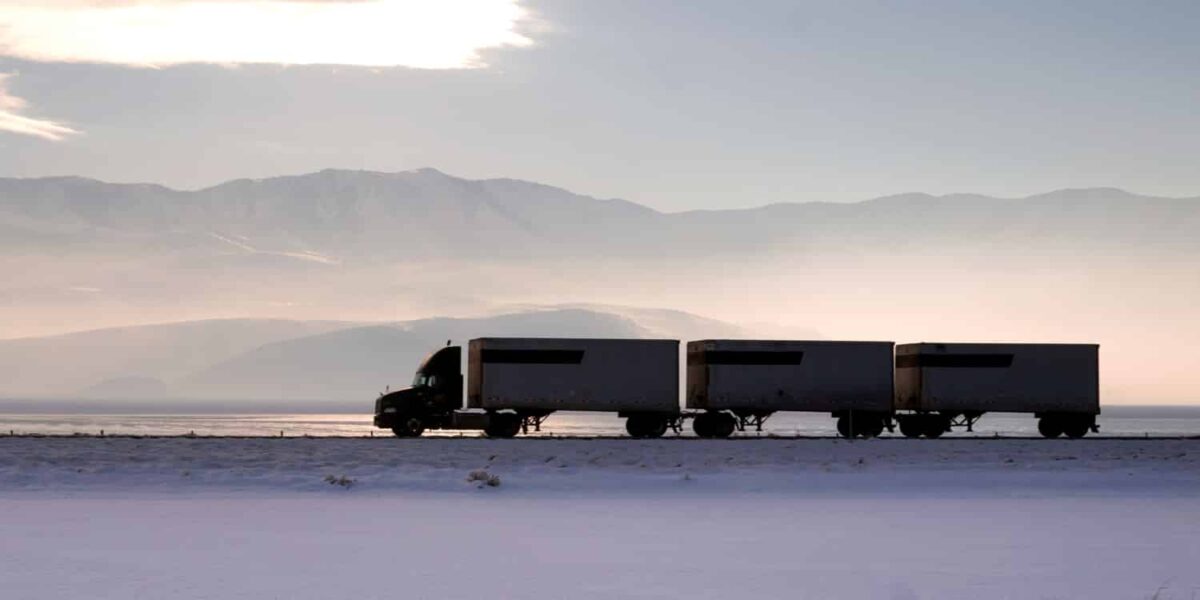
LCV – Long combination vehicle – A combination vehicle is a tractor that has a trailer attached, and an LCV is one with two or three trailers. You need to earn the doubles/triples endorsement to drive an LCV.

Learn More About the Trucking Industry

At Phoenix Truck Driving Institute, we give our students valuable skills and knowledge to help them prepare for their trucking career. We can help you earn your CDL and hit the road in as little as four weeks.

To learn more about our truck driving school, contact us today.

The Basics of Owner-Operator Trucking

There are many different careers available once you earn your commercial driver’s license (CDL). One that may become an option once you gain more experience in the industry is becoming an owner-operator. These individuals either purchase or lease a semi-truck and run their own trucking business. Owner-operator trucking requires an investment and a strong understanding of how to deliver freight efficiently. If this is a path you are interested in, it can be helpful to know what being an owner-operator is like and how to reach this goal.

Types of Owner-Operator Trucking

There are two main ways that you can deliver freight as an owner-operator. Which is best for you depends on your preferences, your financial situation, and a variety of other factors.

Fully Independent

Some owner-operators are fully independent and operate under their own authority. This means that they can deliver freight for any company that requires their services. Many successful owner-operators develop a strong reputation with shippers over time and are able to get consistent work this way. However, it does require time and effort to get loads as a fully independent truck owner. Additionally, you will be responsible for all tasks related to running your trucking business such as Department of Transportation (DOT) compliance, insurance, bookkeeping, et cetera.

Contracting with a Trucking Company

Another option as an owner-operator is to contract with a specific trucking company. Many motor carriers offer programs that give you a path to truck ownership. If you already own your semi-truck, you can still sign on as a contracted driver. This is different from being a company trucker and you will still be responsible for your own expenses, but you will haul exclusively for a specific motor carrier, which makes it easier to find loads.

Pros and Cons

If you are considering becoming an owner-operator, it’s important to understand the potential benefits and downsides.

Pros include:

  • Owner-operators are among the highest-paid individuals in the trucking industry. This is the main benefit of this path and if you put in the work, your earning potential can be significant.
  • Trucking is a career associated with freedom, and this is even more true for owner-operators. You will be able to make decisions about which loads to take and how to run your business.
  • Your truck belongs to you, so you can customize it as you would like and don’t need to worry about sharing it with anyone else.

Cons include:

  • There are many start-up costs associated with becoming an owner-operator, as well as additional expenses as you continue to run your business.
  • You will need to wear many different hats and complete a variety of tasks beyond trucking alone in order to be successful.
  • Freedom comes with responsibility, and it can be stressful to be fully responsible for your trucking business.

How to Become an Owner-Operator

If you have decided that you would like to be an owner-operator truck driver, how can you get started? The first step is getting your CDL, which allows you to operate a semi-truck. In most cases, it is beneficial to be a company driver first to get some experience and learn more about the trucking industry. This also gives you time to save up the money to buy or lease your truck or, if you want to contract with a motor carrier, you can find a job with one that offers a path to truck ownership.

Get Started at Phoenix Truck Driving Institute

At Phoenix Truck Driving Institute, we can help you earn your CDL in as little as four weeks. We also offer job placement assistance and can help you find companies that offer paths to becoming an owner-operator.

To learn more about our truck driver training programs, contact us today.

What to Expect from the CDL Skills Test

In order to earn your commercial driver’s license (CDL), you will need to pass an exam. This includes a written and physical test of your ability to drive a commercial motor vehicle (CMV). The written test is broken down into the general portion, which is necessary for all CDL holders, and optional endorsement exams that demonstrate additional knowledge. Similarly, the CDL skills test is broken down to cover inspections, basic skills, and on-the-road driving. You can read specific New Mexico requirements for each portion in the state’s CDL manual

Here is what you can expect: 

Vehicle Inspection Test

As a professional truck driver, it is important to check your vehicle before every trip. This helps ensure safe operation. The first portion of the CDL skills test requires you to perform a full internal and external inspection of the type of CMV you plan to drive. During the exam, you will need to walk around the CMV and explain each step of the inspection process to the examiner. As you do so, you will be expected to point to/touch and name each part you check. 

Basic Vehicle Control Skills Test

After you have inspected your CMV, the examiner will assess your basic control skills using various off-road tests. 

CDL Skills Test Exercises

Your examiner may choose to test any of the following: 

    • Straight Line Backing: Backing your CMV in a straight line between two rows of cones
    • Offset Back/Right or Offset Back/Left: Backing into a space that is to the left or to the right rear of your vehicle using cones as guidelines
    • Parallel Park (Driver Side or Conventional): Parallel parking in a space that is on your left or right, using cones as boundaries
    • Alley Dock: Sight-side backing your vehicle into an alley and positioning it parallel to the outer boundary without touching a line of cones

Scoring Criteria

Your examiner will score the above exercises based on:

  • Encroachments: Crossing over boundary lines or touching cones with any portion of your CMV counts as an error.
  • Pull-Ups: Stopping and pulling forward to get a better position is not penalized initially, but pulling up too often can count as an error.
  • Outside Vehicle Observations (Looks): For some exercises, the examiner may allow you to safely stop and exit your vehicle to check its position. Exiting unsafely can result in an automatic failure. When done properly, these observations are scored as “looks” and there is a maximum of two for all exercises besides straight line backing, which has a maximum of one “look.”
  • Final Position/Inside Parallel: The final position of your CMV must be exactly what the examiner asked you to do and if not, you may fail the CDL skills test.

On-the-Road Test

The final portion of the skills test requires you to drive your vehicle through a test route. This assesses your ability to handle actual traffic situations. If certain conditions don’t happen naturally on the route, the examiner may ask you to describe what you would do if that situation occurred. 

Required Skills

The road portion of the CDL skills test may assess:

  • Turning and turn signal use
  • Steering
  • Intersections
  • Safe following distance
  • Traffic checks
  • Lane changes
  • Expressway or rural/limited access highway
  • Stop/start
  • Curve
  • Railroad crossing
  • Bridge/overpass and associated signage 
  • Clutch, gear, and brake usage

Prepare for Your CDL Test

As a student at Phoenix Truck Driving School, you will have hands-on experience with inspection, basic road skills, and on-the-road driving. Our highly-skilled instructors will help you learn how to safely operate a CMV. 

Contact us today to learn more about how our programs can help you pass your CDL skills test. 

Driving a Long Combination Vehicle

After you earn your commercial driver’s license (CDL), there are many different types of jobs that you will be qualified for. You can increase your job opportunities by obtaining additional CDL endorsements, which are separate written tests you take to demonstrate knowledge and skills related to specific types of truck driving. One example is the doubles/triples endorsement, which allows you to drive a long combination vehicle or LCV. 

What you should know about double and triple trailers: 

What is a Long Combination Vehicle?

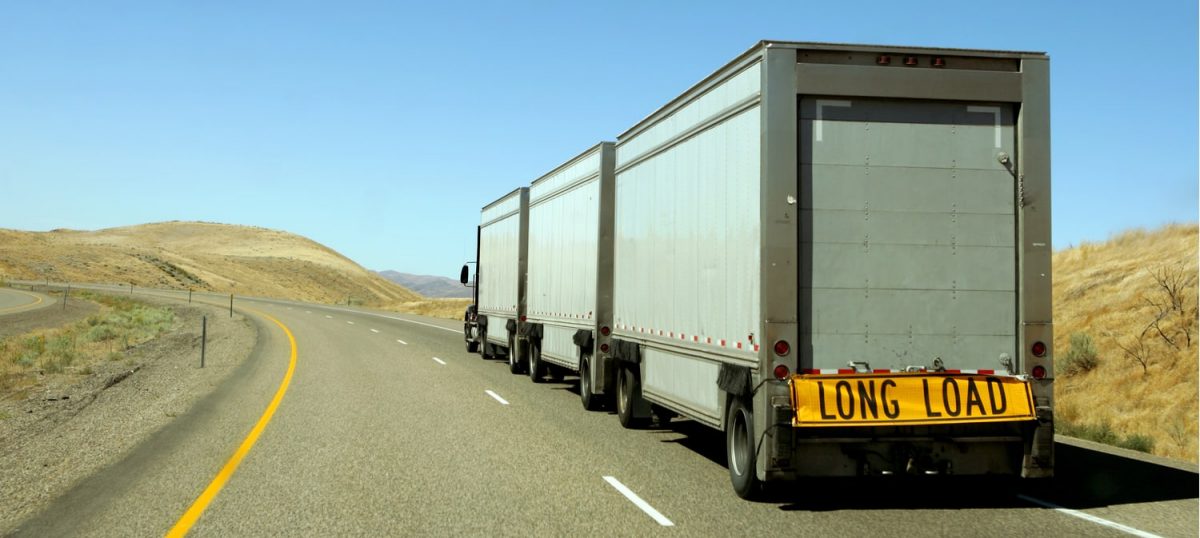
A combination vehicle is a tractor unit with one or more attached trailers. A long combination vehicle is a tractor that has two or three trailers instead of one. Passing the standard CDL exam allows you to drive combination vehicles with one trailer, such as a standard semi-truck. However, driving an LCV requires the doubles/triples endorsement. 

Benefits of LCVs

The main benefit of long combination vehicles is that they can transport more cargo than a normal tractor-trailer. This often translates into higher pay-per-mile for truck drivers. Since these types of vehicles also require an additional endorsement, not as many candidates are qualified. This means that passing the doubles/triples CDL test can help you stand out when applying to trucking companies. 

Safety Concerns for Doubles/Triples

A combination vehicle will usually require more driving skill to safely operate than a single commercial vehicle. This is true even for standard tractor-trailers and the more attachments there are, the more care a driver needs to take. 

Some factors to be aware of when driving an LCV:

“Crack-the-Whip” Effect

When you make a turn too quickly, it results in rearward amplification, also known as the “crack-the-whip” effect. This can cause rollovers. Longer trucks with more trailers can have a higher rate of rearward amplification. In order to drive a long combination vehicle safely, you should steer slowly and gently and be cautious while turning.

Coupling and Uncoupling Trailers

To connect multiple trailers you will need to use a special converter dolly. This is a device that has a fifth wheel mounted on one or two axles. You will need to be sure to understand how to safely couple and uncouple double and triple trailers as doing this incorrectly can be dangerous. 

Inspecting Your Vehicle

Proper inspection is essential for safe driving. It is especially important to complete thorough checks for long combination vehicles. With multiple trailers and more parts than a standard semi-truck, you will need to be sure that you have inspected everything. 

State Regulations for Long Combination Vehicles

The Surface Transportation Assistance Act of 1982 (STAA) established a National Network (NN) of highways for larger trucks. Within the NN, federal rules and regulations apply for the length and weight of commercial motor vehicles (CMVs). This includes most of the Interstate Highway System, but if you travel through regional areas, you will need to also be aware of state regulations. Some states ban triple trailers or have additional requirements for driving a long combination vehicle. 

Earn Your Doubles/Triples Endorsement

At Phoenix Truck Driving School you will have the opportunity to earn three endorsements: hazmat, tanker, and doubles/triples. With these additional qualifications, you will be a prime candidate for a wider range of trucking jobs after graduation. 

Contact us today to learn more about earning the CDL endorsement necessary to drive a long combination vehicle.